
Monster Hunter Wilds Review & Download Guide 2025
Description
Introduction
The first time I booted up Monster Hunter Wilds, I honestly felt that familiar mix of excitement and fear that only this series gives me. Excitement because Capcom rarely misses with Monster Hunter, and fear because every new entry tries something ambitious that might either redefine the franchise or completely frustrate veterans. After spending dozens of hours tracking beasts, upgrading gear, and getting flung across deserts by things much larger than me, I can safely say: Wilds isn’t just another sequel — it’s a statement. As someone who has played since the older handheld days and poured unhealthy hours into World and Rise, I went into Wilds curious about how far Capcom could push the formula. This time, the focus is clearly on scale, ecosystems, smoother traversal, and cinematic combat without losing that hardcore hunting identity. It’s familiar, but also surprisingly fresh.
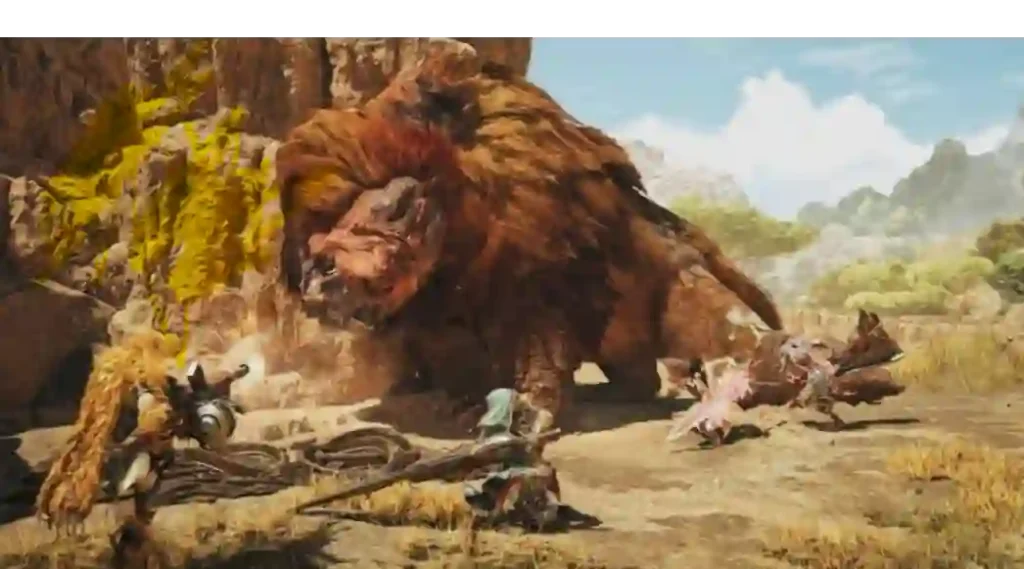
What is Monster Hunter Wilds?
Monster Hunter Wilds is Capcom’s 2025 evolution of the hunting genre, designed as a massive, seamless world experience instead of segmented hunting zones. Unlike older entries where you loaded into maps, Wilds makes exploration feel continuous, living, and reactive. The big idea behind Wilds is its ecosystem-driven gameplay. Monsters interact with each other, the environment changes dynamically, and weather isn’t just visual flair it affects hunts, visibility, and monster behavior. You’re not just chasing targets anymore; you’re stepping into their territory and adapting on the fly. From my experience, Wilds feels like a blend of Monster Hunter World’s immersion with Rise’s speed, but expanded into something more ambitious. The pacing is slower in exploration, but faster in combat once blades start swinging. Key pillars of Monster Hunter Wilds include: Seamless open environments, Dynamic weather and ecosystems, Mounted traversal with Seikret, Enhanced weapon depth & Cinematic but skill-based combat. It’s still Monster Hunter at its core, but everything feels larger, riskier, and more alive.
Monster Hunter Wilds Download and Installation Guide
Before you dive into hunting, you’ll need the Monster Hunter Wilds Download set up properly. On PC, the game is available through major platforms like Steam, and the install size is no joke you’ll want plenty of space ready. From my own download experience, installation is straightforward, but the preloading and shader compilation can take time, especially on older drives. SSD is basically mandatory if you want smooth loading and texture streaming. Basic steps for Monster Hunter Wilds Download:
- Purchase and download via your preferred PC store
- Make sure you have at least 120GB free space
- Update GPU drivers before launching
- Let shaders compile fully before playing
- Tweak settings before jumping into your first hunt
I highly recommend launching once, closing the game, and then relaunching after shaders finish compiling. It reduced stuttering for me during early hunts.
Gameplay Overview of Monster Hunter Wilds
The heart of any Monster Hunter title is combat, and Monster Hunter Wilds gameplay feels both familiar and modernized. Movement is smoother, animations flow better, and combat transitions naturally between ground, mounted, and environmental interactions.
Weapon Variety (Dual Blades Focus)
Monster Hunter Wilds weapons return with insane variety, but I spent most of my time with Dual Blades, and wow — they feel incredible here. The attack speed combined with Wilds’ new animation blending makes every fight feel like a dance with death. Dual Blades shine because:
- Faster stamina regen during Demon Mode
- Better aerial control from slopes and mounts
- Improved elemental scaling
- Cleaner hit feedback
You’re not just button-mashing anymore. Positioning, stamina management, and reading monster patterns matter more than ever. Other weapons like Great Sword, Bow, and Switch Axe also benefit from smoother transitions, but Dual Blades feel especially tuned for Wilds’ mobility-heavy design.
Combat Flow and Learning Curve
The learning curve is still there, but Wilds is more welcoming. Tutorials are less intrusive but more informative. New players won’t feel lost, and veterans will appreciate how quickly they can jump into complex hunts. Combat now emphasizes:
- Environmental positioning
- Mount-based engagement
- Monster stamina and behavior tracking
- Adaptive aggression
At first, fights feel slower, but once systems click, Wilds becomes one of the smoothest Monster Hunter combat experiences I’ve played.
Monster Hunter Wilds Monsters and World Design
If weapons are the soul, then Monster Hunter Wilds monsters are the personality. The game introduces ecosystem-based creatures that don’t just wait to be hunted, they roam, fight, hunt, and react. The world itself feels alive. Sandstorms roll in, creatures migrate, and rival monsters clash naturally. Sometimes you’re not even the biggest threat in the area.
Ecosystem-Based Monsters
What impressed me most is how monsters interact with each other. You’ll see predators stalking prey, territorial fights breaking out, and unexpected ambushes during hunts. Highlighted monsters include:
- Jin Dahaad – A massive desert brute with devastating charge attacks and environmental destruction.
- Arkveld – Aggressive, fast, and brutal in close combat, forcing precise dodging.
- Chatacabra – Surprisingly tactical, using terrain and positioning against you.
Each monster has a unique rhythm, and learning that rhythm feels rewarding instead of frustrating. Capcom clearly invested in making monsters feel less like bosses and more like living creatures.
Seikret Mount – Innovation or Frustration?
The new Seikret mount is one of Wilds’ boldest additions. It lets you traverse massive environments quickly, reposition in combat, and even attack while mounted.
At first, I loved it. Then I hated it. Then I learned it — and now I can’t imagine Wilds without it.
Pros
- Faster map traversal
- Dynamic mounted combat
- Easier repositioning
- Natural integration into hunts
Cons
- Controls feel awkward initially
- The camera fights you sometimes
- Can disrupt combat flow
- Needs sensitivity tweaking
Control Settings Tips
From my experience, adjusting Seikret sensitivity is mandatory:
- Lower camera acceleration
- Increase turning response
- Reduce auto-camera lock
- Remap mount sprint
Once tuned, Seikret becomes a powerful tool instead of a nuisance.
Monster Hunter Wilds PC Performance & Optimization
Let’s talk about the technical side, especially Monster Hunter Wilds PC performance. I tested Wilds on an RTX 40 series GPU, and results were mostly impressive with some caveats.
RTX 40 Series Experience
On high settings with ray tracing enabled, I was averaging:
- 90–120 FPS in exploration
- 70–90 FPS in heavy combat
- Minor drops during storms
The visuals are gorgeous, but they demand proper hardware. DLSS helps massively, and I recommend using it even on high-end systems.
FPS Issues, Settings, Community Feedback
Some players have reported stuttering, especially during shader compilation and weather transitions. My fix suggestions:
- Enable DLSS or frame generation
- Cap FPS slightly below max refresh
- Lower volumetric fog
- Disable motion blur
- Update GPU drivers
After tweaking, performance stabilized nicely. It’s demanding, but manageable if you’re willing to optimize.
Monster Hunter Wilds Story & Narrative (Spoiler-Free)
Monster Hunter isn’t traditionally story-heavy, but Wilds makes a stronger effort here. The narrative focuses on discovery, survival, and understanding the ecosystems rather than just slaying monsters. Without spoilers, the story works because:
- Characters feel grounded
- Motivation feels natural
- Progression ties into exploration
- Cinematics enhance immersion
It won’t replace a full RPG narrative, but it’s engaging enough to make hunts feel meaningful.
Final Verdict
After many hours in Monster Hunter Wilds, I can confidently say it’s one of Capcom’s most ambitious entries. It doesn’t just refine the formula it evolves it. Monster Hunter Wilds is perfect for: Long-time Monster Hunter fans, Players who enjoy skill-based combat, Gamers who love open-world exploration & PC players with decent hardware. It might frustrate players who dislike learning curves or system-heavy combat, but for hunters, Wilds is deeply rewarding.
FAQs
What is the Monster Hunter Wilds Download size?
The Monster Hunter Wilds Download requires around 120GB+ storage on PC.
How is Monster Hunter Wilds PC performance?
Monster Hunter Wilds PC performance is smooth on modern GPUs, especially RTX 40 series with DLSS enabled.
Is Monster Hunter Wilds gameplay beginner-friendly?
Monster Hunter Wilds gameplay starts challenging but becomes easy after learning combat mechanics.
What are the best Monster Hunter Wilds weapons?
Monster Hunter Wilds weapons like Dual Blades are great for fast, aggressive playstyles.
How are Monster Hunter Wilds monsters designed?
Monster Hunter Wilds monsters are ecosystem-based and react dynamically to the environment and players.